Cosmelan
A depigmentation system that works at multiple levels of melanin synthesis.

Melasma is driven by hormones and sun, and heat can trigger further pigmentation, which is why aggressive lasers can make it worse. It is managed rather than cured, and the right approach is deliberately gentle.
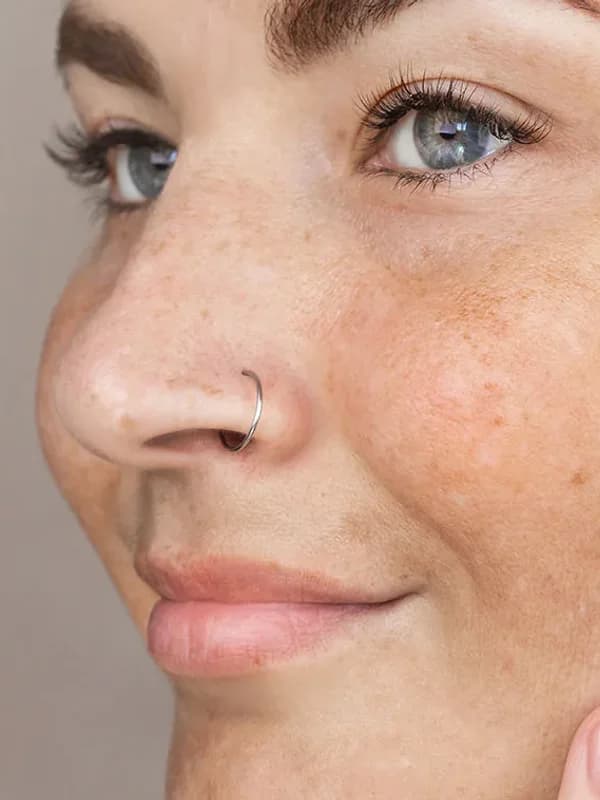
Melasma is a complex pigment condition influenced by hormones and sun exposure, and it does not behave like ordinary sun damage. It shows up most often across the cheeks, the forehead, and the upper lip. It is driven primarily by hormones, which is why it shows up in pregnancy, after starting oral contraceptives, or alongside hormone therapy, and why it affects women far more often than men.
Sun makes it worse, and so can excessive heat, which is why heat-based treatments deserve caution in pigment-prone skin. Melanin-rich skin is more reactive to inflammation and heat, which makes it especially vulnerable to discoloration after a procedure. Because melasma is complex and prone to recurrence, it calls for a conservative, ongoing strategy rather than the aggressive resurfacing that clears ordinary sun spots.
The other honest framing is that melasma is managed rather than cured. The goal is to bring the pigment down and then hold it there with maintenance and daily protection, knowing that a pregnancy, a medication change, or one bad summer can bring it back. Depth matters too: pigment sitting high in the epidermis responds well, while pigment that has settled into the deeper dermis responds slowly and only partially, and that is worth understanding before you start.
The foundation here is chemical rather than energy based. Cosmelan is a depigmentation system that works at multiple levels of melanin synthesis and is especially effective for hormonal pigmentation, interrupting the pathway that pigment cells use to manufacture melanin rather than destroying anything. It begins with a mask applied in the office and left on for a set number of hours, followed by a structured home phase over the months that follow. That home phase is not optional, and abandoning it is the usual reason pigment returns.
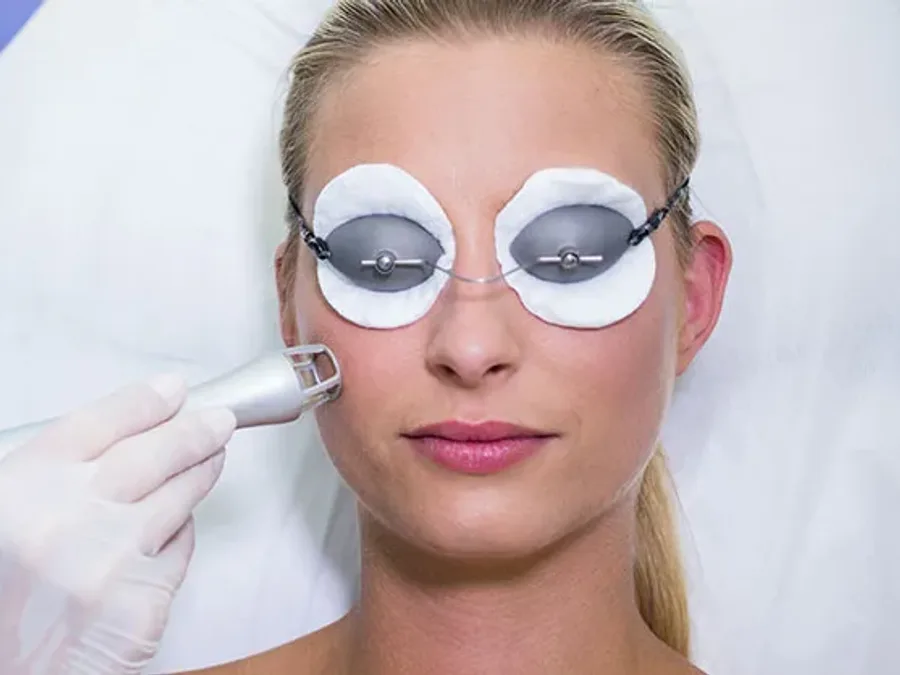
Where a device is used, it is used at low energy. Pico Laser suits this setting because its ultra short pulses break pigment apart mechanically and deposit very little heat, which is exactly the property that matters when heat is a trigger. It is done conservatively, at gentle settings, across several sessions, never as one aggressive pass.
Clear + Brilliant plays a supporting role for the same reason. It is a low energy fractional treatment that improves clarity without the thermal load of stronger resurfacing. It will not clear melasma on its own, and it is not meant to.
Chemical Peels are the maintenance layer. Kept superficial and repeated on a schedule, they lift pigmented surface cells and help hold a result achieved with a depigmenting protocol. Depth is the whole question: a light, well-chosen peel helps, while aggressive resurfacing and peels that go too deep can do more harm than good in pigment-prone skin.

The most common way this goes wrong is melasma being treated as though it were sun spots. The treatments that clear age spots efficiently work by heating pigment, and melasma calls for a more conservative approach than that. If you have been treated elsewhere and the pigment returned worse than before, that is usually what happened, and it is why we ask a great many questions before recommending any device.
For most people the sequence is straightforward. Cosmelan first, to bring the pigment down, then Chemical Peels and daily topical maintenance to hold it, with Pico Laser or Clear + Brilliant sometimes combined from the start for a faster or more effective reduction in pigmentation. Sometimes Cosmelan is the first line treatment on its own, and the home routine is part of the plan either way.
Sun protection here is not general advice, it is part of the treatment. Daily sun protection is critical here, because it is what maintains the result and prevents new pigmentation from forming. Shade, a hat, and staying out of midday sun are doing real work. Without it, pigmentation can return no matter how well the in-office work goes.
A consultation settles three things: how deep the pigment sits, what is driving it hormonally, and whether it is melasma at all, since post-inflammatory hyperpigmentation left by acne, a burn, or a skin injury is a separate condition and is treated differently. If hormones are a factor, it is worth a conversation with whoever prescribes them, because pigment that keeps being fed will keep coming back. We would rather say that at the start than after three treatments.
Listed in the order we most often recommend them, with a line on when each is the right pick.
Your consultation decides which actually fits your anatomy, your goals, and the downtime you can spare.
A depigmentation system that works at multiple levels of melanin synthesis.
Gentle, non-ablative resurfacing that minimizes the risk of hyperpigmentation.
Minimal thermal energy, which matters a great deal here.

Maintenance between treatments to hold the result.
Worth reading
Looking for the best chemical peels in Cincinnati? Discover how our customized treatments deliver smoother, clearer, glowing skin.
Read the answerWorth reading
Clear + Brilliant is a gentle laser treatment that targets fine lines and early wrinkles. Learn how this preventive anti-aging solution works.
Read the answerRelated concern
Motion lines and creases that stay put
Start from the concernTell us what you would like to change and we will come back with the treatments that fit, honest expectations, and a time to talk it through.
Your details go straight to our Montgomery Road front desk and are never shared. A team member replies during office hours, usually the same day.

Book a consultation at our Montgomery Road office, or call and we will help you decide where to start.
Medically reviewed by Shalini Gupta, MD, Harvard-trained dermatologist and founder of The Dermatology, Laser & Vein Center. Last reviewed September 2026. This page is for education and is not a substitute for a personalized medical consultation.