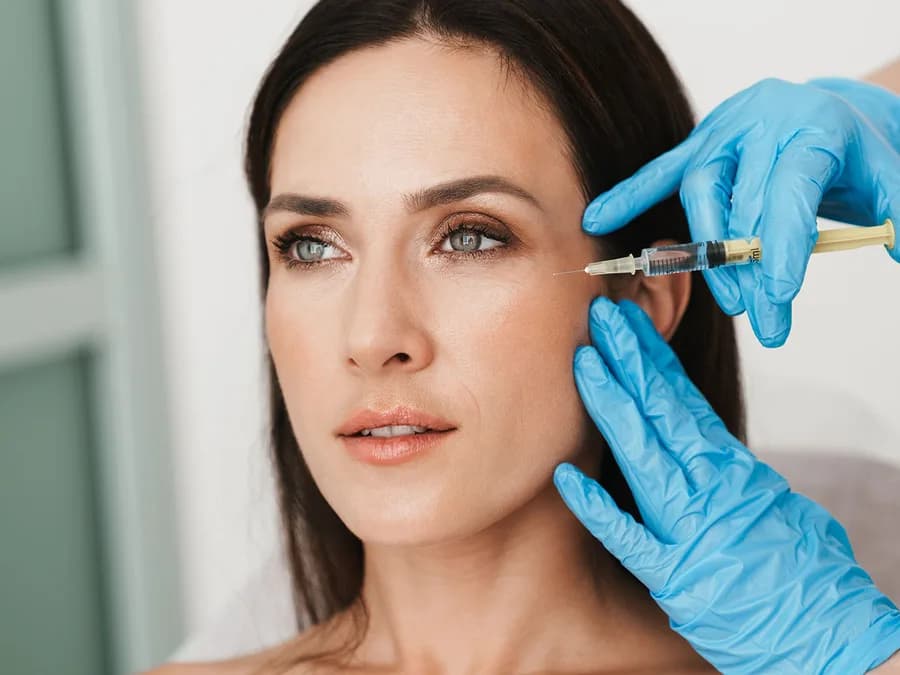
Botox
The default for frown lines, forehead lines, and crow's feet.

Lines split into two kinds and the treatments split the same way. Motion lines that appear when you frown or squint respond to wrinkle relaxers. Lines etched in at rest need resurfacing or collagen building instead, and most people need some of both.
Wrinkles come in two kinds, and telling them apart decides everything that follows. Motion lines show up when you frown, squint, or raise your brows, then disappear when your face relaxes. Etched lines stay visible even when your face is completely still, carved in by years of the same expressions and by collagen that has thinned underneath them.
That distinction matters because the treatments divide along exactly the same line. Wrinkle relaxers quiet the muscle that folds the skin. Resurfacing and collagen-building treatments repair the skin that has already creased. Treating an etched line with a relaxer alone will disappoint you, and so will resurfacing a line your muscle keeps refolding every hour.
Two other things produce marks that people reasonably call wrinkles, and both are worth separating out before anyone picks a treatment. A crease that stays put at rest, like the one running from the nose to the corner of the mouth, is often not a wrinkle at all: it is the shadow left where the support underneath gave way. And the fine crumpled lines that appear across a cheek or under an eye usually belong to skin that has gone slack rather than skin that has been folded. Neither one answers to a relaxer, and the fold in particular does not answer to resurfacing either.
Many people have more than one of these at once, which is why a consultation starts by watching your face move rather than by picking a product.
Every treatment here works on one of four things: the muscle that folds the skin, the support underneath it, the surface of the skin itself, or the deeper layer that has gone loose. The first family works on the muscle. Botox, Dysport, Daxxify, Jeuveau, and Xeomin all do the same basic job. A few precise injections quiet the repeated contractions that fold your forehead, the frown lines between your brows, and the crow's feet at your eyes. The skin above finally gets to rest, and motion lines soften or disappear entirely. Choosing between the five is often a personal decision based on your goals and your injector's experience and preference, though there are real differences. Dysport spreads a little more, which suits a broad forehead. Daxxify tends to last longer between visits, where the others generally run three to four months. Jeuveau is the newest option of the five and has its strongest data on the frown lines. Xeomin is stripped of the accessory proteins the others carry, which is the reason to try it if a neurotoxin that used to work well has stopped.
Etched lines need the second layer, the skin itself. Morpheus8 drives radiofrequency energy through microneedles to the depth where collagen has thinned, prompting your skin to rebuild the scaffolding that used to hold the line open. Fraxel resurfaces from above, replacing creased surface skin with new tissue. Both are controlled injury that your skin answers with repair, which is why results build over months rather than appearing overnight.
The rest of that family sits on a ladder of depth, and the honest way to choose along it is by how much recovery your life will absorb. Microneedling is the gentlest rung: fine needles make controlled channels that prompt collagen without removing surface skin, which suits early lines and costs a day or two of looking flushed. Clear + Brilliant is the lightest of the lasers, enough to smooth lines that are only just appearing and to keep them from setting, and it is done as a series rather than as an event. Venus Viva puts radiofrequency through a nano-fractional tip and treats uneven texture and fine lines in the same pass, which helps when the complaint is as much about the surface quality of the skin as about one particular line. ProFractional Laser is the deep end: it removes narrow columns of skin so the edges of a set line can heal down, and it asks for real downtime in return. Deeper is not better, it is only deeper, and a shallow line does not need it.
Fillers occupy a different position entirely. Where a fold has deepened because the face lost volume above it, relaxing a muscle will not help and resurfacing will not either. Restoring the support underneath is what lifts the fold, which is why treatment often runs along the crease and into the adjacent areas of volume loss in the cheek. Dermal Fillers is the category, and the products inside it are not interchangeable. Juvéderm is hyaluronic acid: soft, effective the same day, and reversible if the result is not what you wanted, which is what makes it the sensible first one. Radiesse is firmer and holds structure where the lower face needs an edge, and it stimulates your own collagen as the gel carrier is absorbed. Sculptra works by prompting your own collagen over a series of sessions rather than simply adding volume, so lines soften across months rather than on the afternoon you were treated. Bellafill lasts years rather than months and is preceded by a skin test, which makes it a choice for people who already know exactly what they want kept.
The fourth family is for lines that arrived with laxity rather than with creasing. Heat the deeper layers and existing collagen contracts while new collagen builds, which firms the surface those lines sit on. Ultherapy uses focused ultrasound at the depth of the fibrous layer under the skin, the one that actually lifts, and the change appears over three to six months rather than at the visit. Thermage heats a broader field with radiofrequency and is the better fit for crepey skin spread across a large area, in a single session with nothing to recover from. ThermiSmooth is the gentle version, warming the surface over several short visits, and it goes where the others are too aggressive: the thin skin around the eyes and the mouth. None of the three erases a line on its own. They change the quality of the canvas the line is drawn on, which is a different and more modest claim.
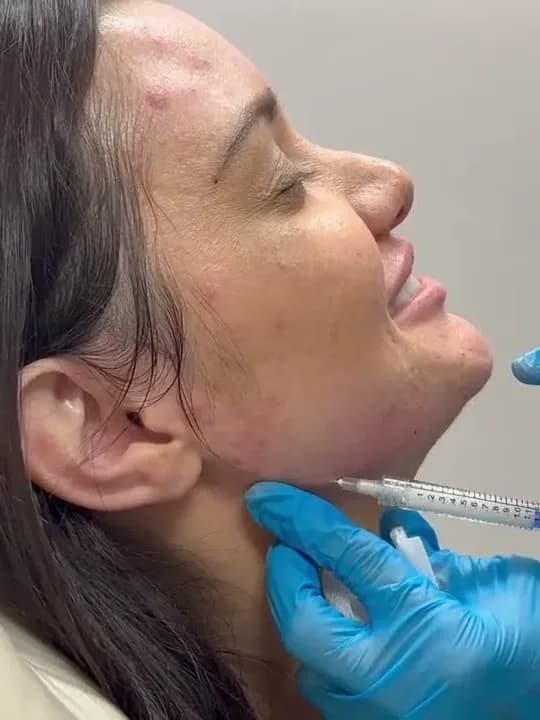
If your lines vanish when your face is still, start with a wrinkle relaxer and nothing else. It is one of the most trusted and effective treatments in aesthetics, it is reversible by simply not repeating it, and it tells you a great deal about your own anatomy before you commit to anything longer lasting.
If your lines are visible at rest, a relaxer alone will soften them but will not erase them, and it is more honest to say so up front. The next question is which of the other three families they belong to, and that is what a consultation settles. And if there is substantial loose tissue, no device on this list produces that much lift, which is better to hear now than after four years of treatments.
Downtime is a real consideration rather than a footnote: a series of Microneedling or Clear + Brilliant sessions that fits around your working week will beat a single deep treatment you keep postponing to a quieter month that never arrives.
The amount of product depends on your treatment area, your goals, and your muscle strength, but no dose addresses skin that has already creased. Getting the diagnosis right costs one consultation and saves a great deal of money.
ThermiRase is worth knowing about if you would rather not use a neurotoxin at all. It treats the nerve supplying the frown-line muscles directly, which is a longer-lasting decision than a neurotoxin.

Listed in the order we most often recommend them, with a line on when each is the right pick.
Your consultation decides which actually fits your anatomy, your goals, and the downtime you can spare.
The default for frown lines, forehead lines, and crow's feet.
Spreads a little more than Botox, which suits broader forehead work.
Worth considering when you want longer stretches between visits.

The newest of the five, strongest data on the frown lines.

The purified option if other neurotoxins have stopped working as well.
For folds that stay visible at rest, where relaxing a muscle will not help.
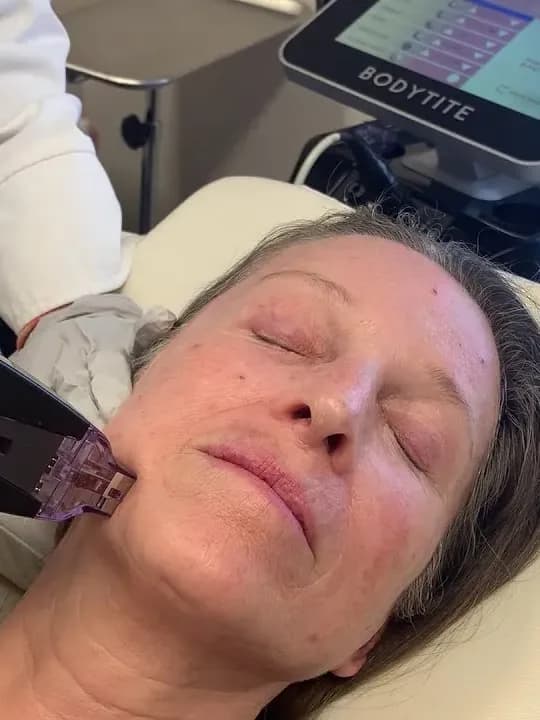
Rebuilds collagen under lines that have settled into the skin itself.
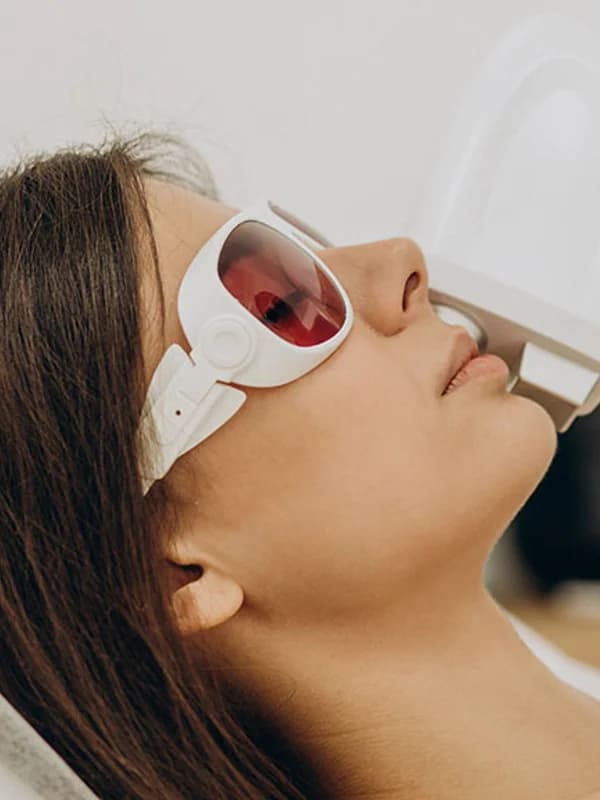
Resurfaces fine etched lines across the whole face.

Radiofrequency alternative when you would rather not use a neurotoxin.
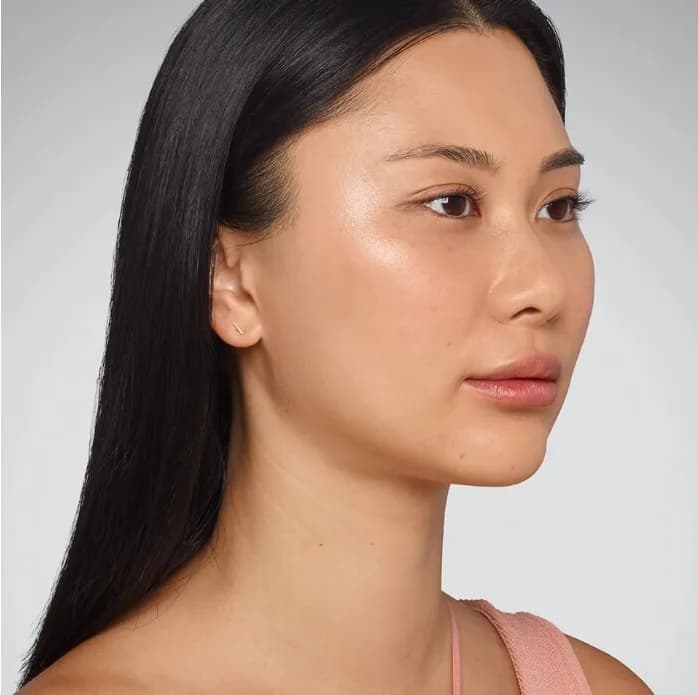
Softens a fold that stays visible at rest, where relaxing a muscle will not help.
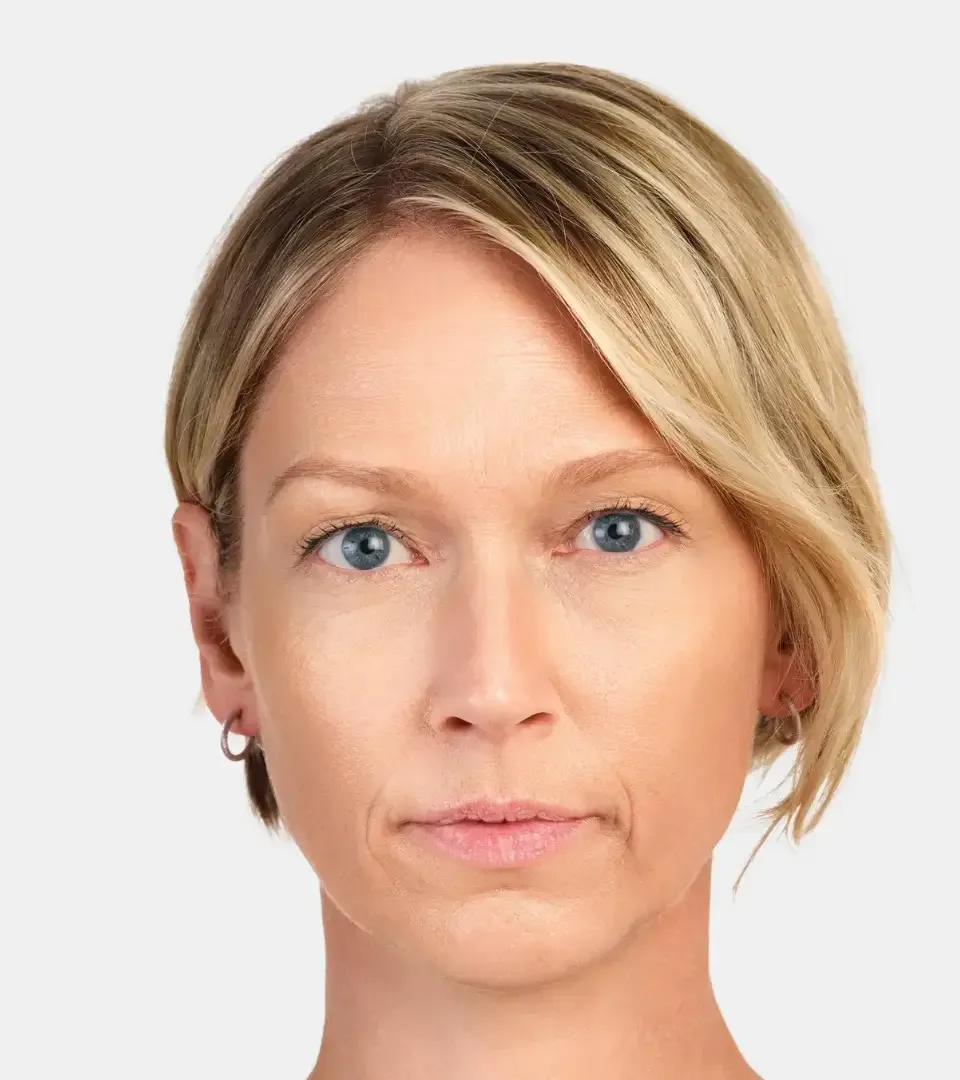
Firmer filler that rebuilds the support a deepened fold has lost.

Rebuilds your own collagen gradually, so lines soften over months rather than at once.
The long-lasting choice once you know the result you want to keep.
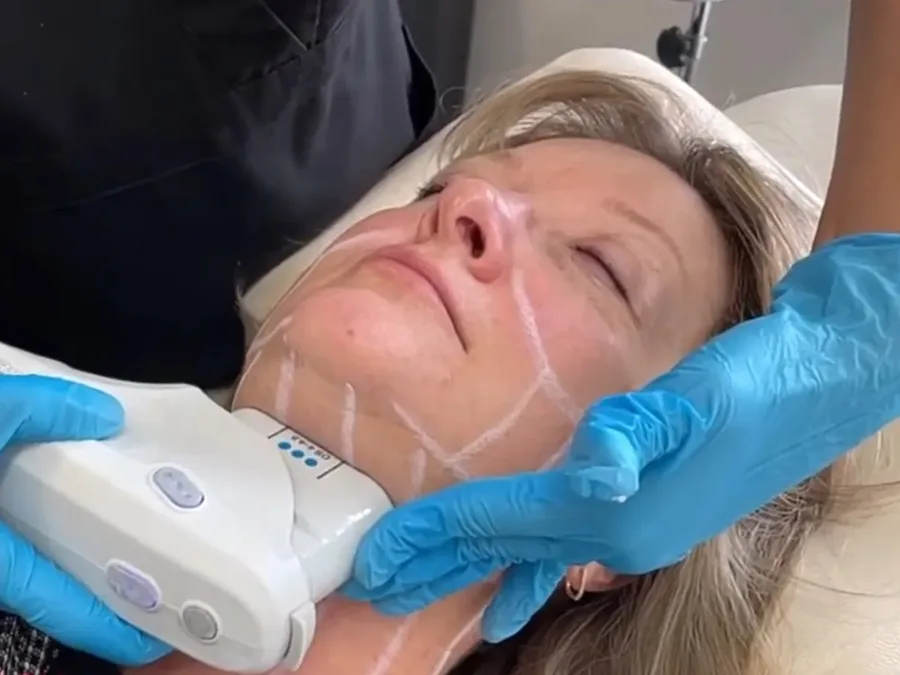
Lifts the deep layer when lines come with a softening jawline.
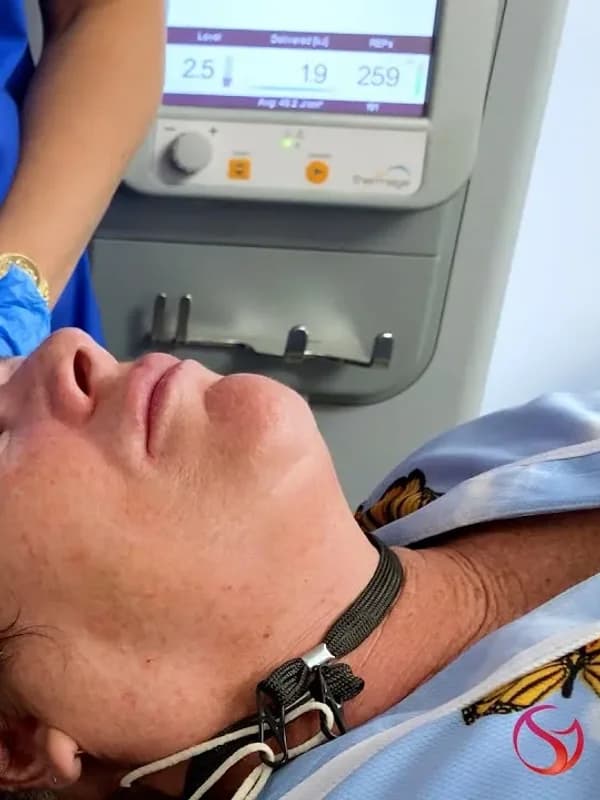
Tightens crepey skin across broad areas with no downtime.

Gentle warming for fine crepey lines around the eyes and mouth.

Resurfaces the edges of deeper etched lines.
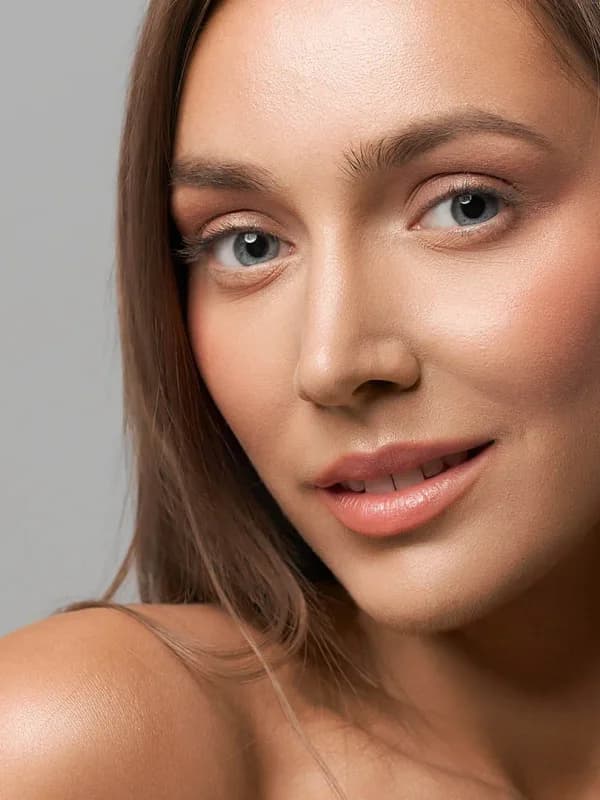
Low-downtime resurfacing for lines that are only just appearing.
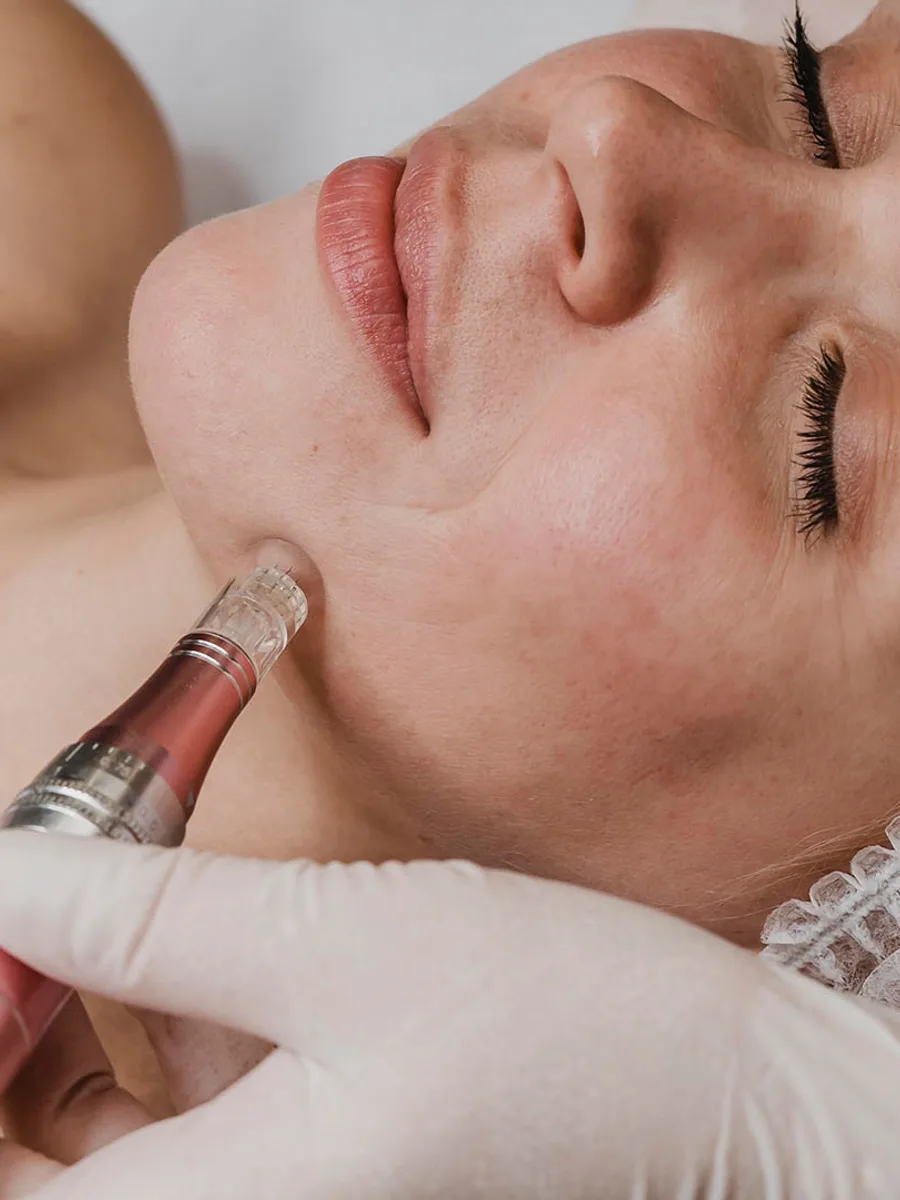
Builds collagen under early lines, the gentlest place to start.
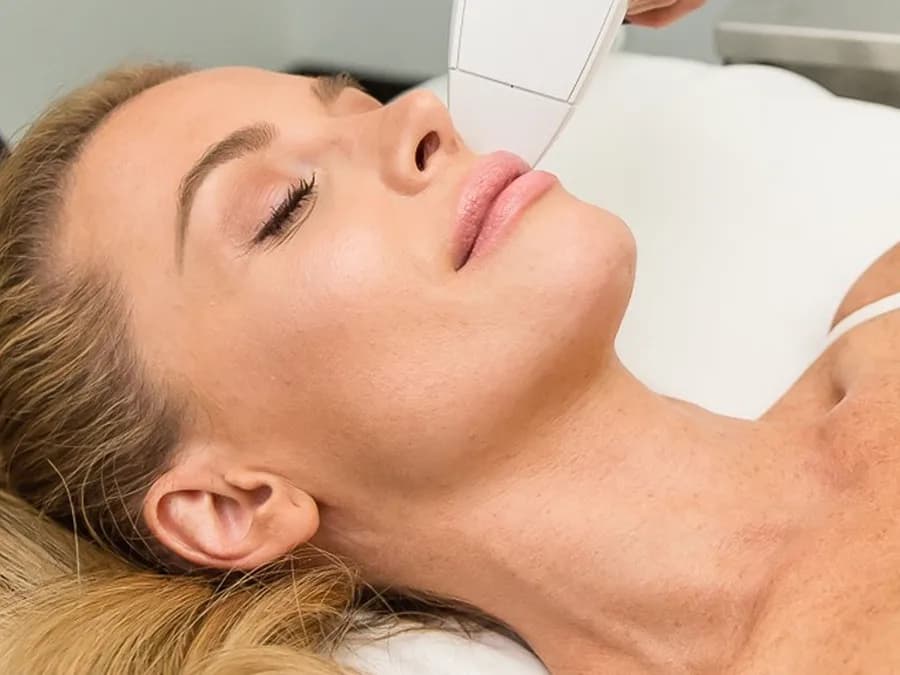
Resurfaces texture and fine lines together with radiofrequency energy.
Worth reading
When it comes to facial rejuvenation, one treatment alone is not always enough to address every concern. Aging affects the skin in multiple ways, including
Read the answerWorth reading
The under-eye area is one of the most delicate and challenging areas to treat when it comes to aging. Hollowing, fine lines, skin laxity, and dark circles
Read the answerRelated concern
Flattened cheeks and a face that reads tired
Start from the concernTell us what you would like to soften or restore. We will come back with which product fits, how long it lasts, and what to expect at your first visit.
Your details go straight to our Montgomery Road front desk and are never shared. A team member replies during office hours, usually the same day.

Book a consultation at our Montgomery Road office, or call and we will help you decide where to start.
Medically reviewed by Shalini Gupta, MD, Harvard-trained dermatologist and founder of The Dermatology, Laser & Vein Center. Last reviewed September 2026. This page is for education and is not a substitute for a personalized medical consultation.