Microdermabrasion
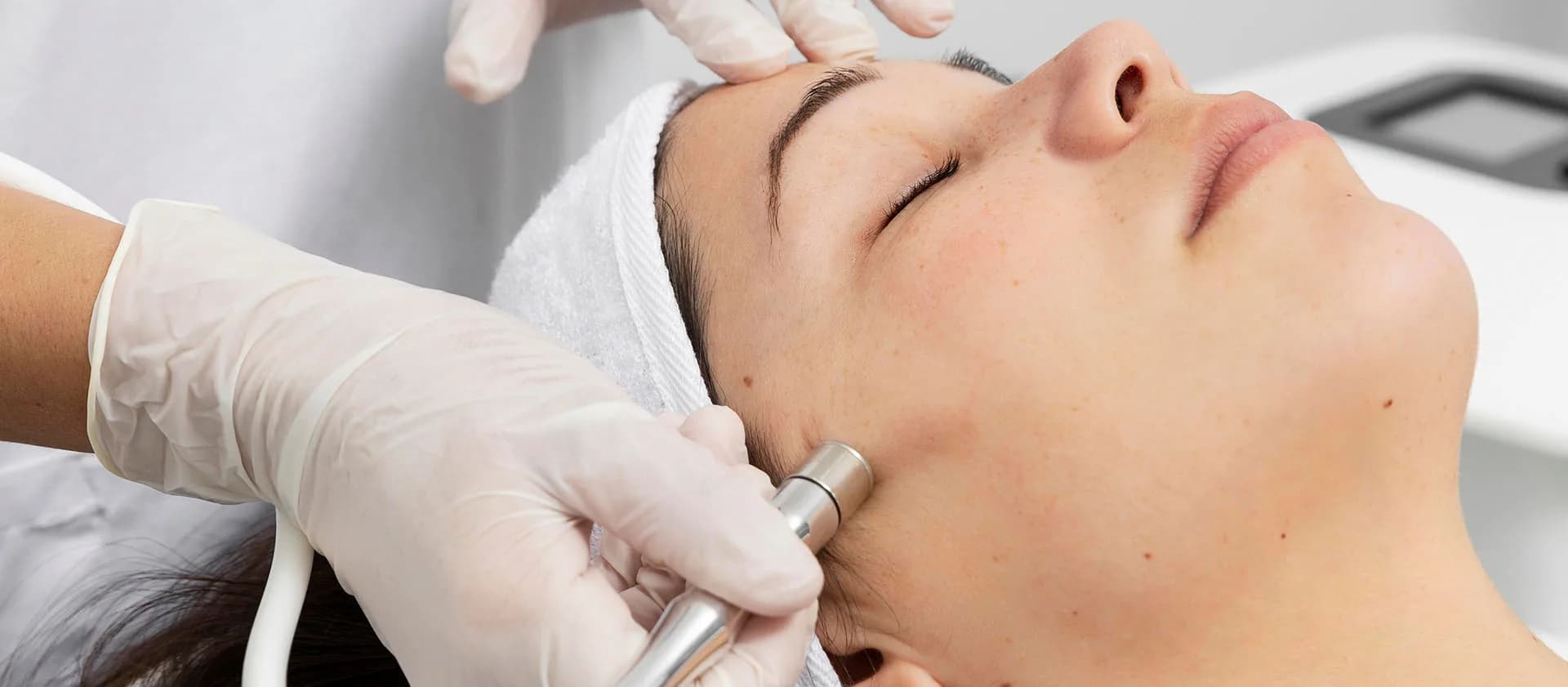
Microdermabrasion is a non-invasive exfoliation treatment. A handheld device buffs away the outer layer of dead skin cells while vacuuming the debris away, either with a spray of fine crystals or a diamond-tipped applicator. The skin underneath is instantly brighter and smoother, and the renewal it triggers keeps building.
What ismicrodermabrasion?
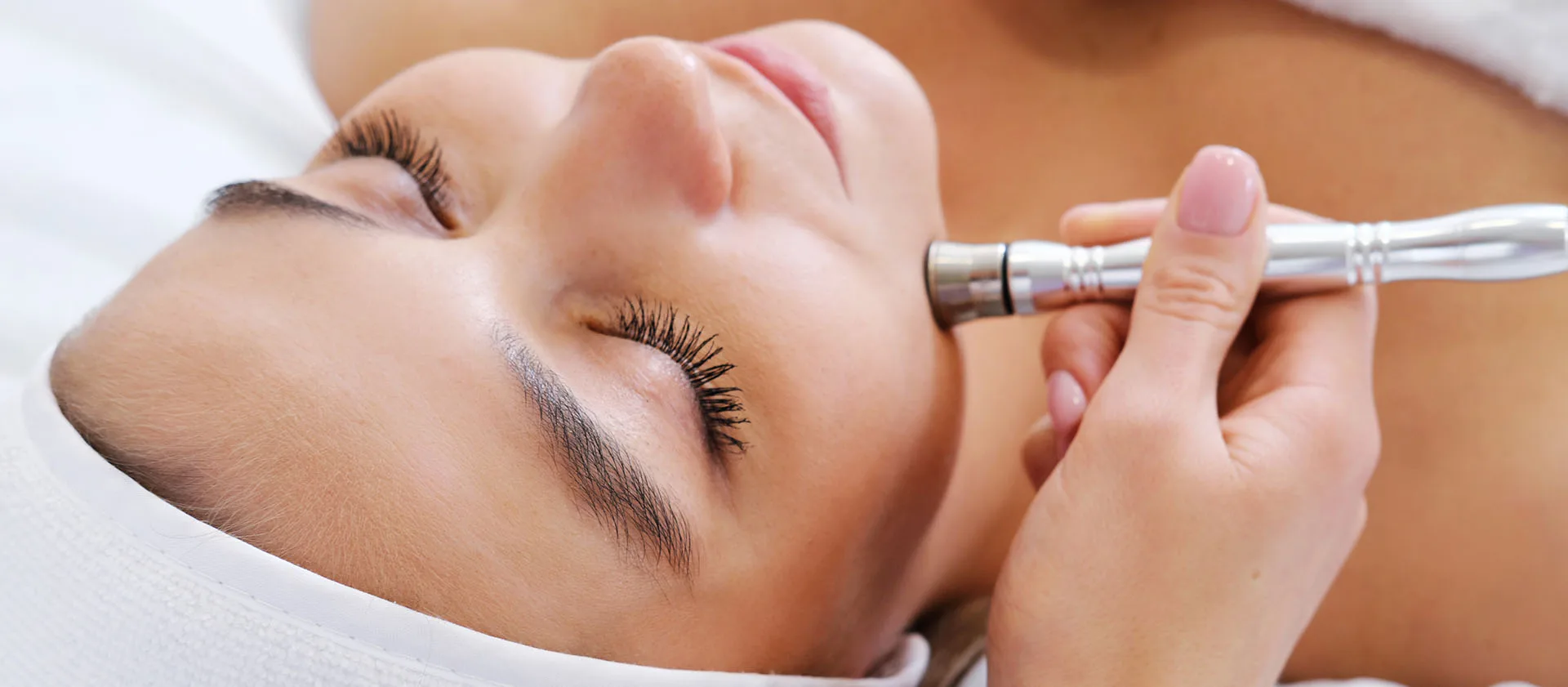
The session is simple: your skin is cleansed, the device makes its exfoliation pass, and you finish with soothing skincare and sunscreen, all within 30 to 45 minutes. The sensation is a mild scratching or polishing, closer to a firm buff than anything sharp. As the stratum corneum, the dead outermost layer, comes away, circulation and cell turnover pick up and your skincare products penetrate noticeably better.
There is little to no downtime. Some patients see mild redness, sensitivity, or dryness that settles within a few hours, and many patients notice brighter, smoother skin immediately after treatment. For the first day or two, skip makeup, hot water, direct sun, and steam, keep a gentle moisturizer on hand, and stay diligent with sunscreen. Pausing retinol, chemical exfoliants, and scrubs before your visit keeps the treatment comfortable.
Because it is gentle, microdermabrasion works as an ongoing habit rather than a one-time event. Many patients benefit from a treatment every four to six weeks, matching the skin's natural 28-day turnover cycle, with sensitive skin stretched to six to eight. Some do a few closer-spaced sessions first for a specific concern like mild scarring, then settle into maintenance.
Who is microdermabrasion for?
Most people, at almost any age: it is the low-commitment way to keep skin polished between bigger treatments.
Intensity is adjustable, so sensitive, allergy-prone, and scar-prone skin can all be treated comfortably. It is also often suitable during pregnancy, confirmed at your consultation.
Dull or uneven skin
The most immediate win: dead surface cells come off and brightness shows the same day.
Rough texture and congestion
Polishes rough patches and clears blackheads and clogged pores.
Mild acne scars and large pores
A series of sessions softens shallow scarring and shrinks the look of pores.
Early signs of aging
Fine lines and sun damage soften as turnover and mild collagen stimulation build over time.
Maintenance between treatments
Pairs well with chemical peels, facials, and other rejuvenation work, and keeps results going in between.
Where itworks
Microdermabrasion is a facial treatment, and every zone benefits a little differently from the same polishing pass.
Whatto expect.
Book a consultationSingle sessions and maintenance plans are quoted at your consultation.
Cleanse, exfoliation pass with the crystal or diamond-tip device, then soothing skincare and sunscreen.
Mild redness, sensitivity, or dryness can appear and resolves within a few hours. For 24 to 48 hours avoid makeup, hot water, direct sun, and steam, and skip chlorine for several days.
Many patients see brighter, smoother skin right away. A series every four to six weeks compounds the improvement and keeps skin maintained indefinitely.
Frequently asked questions
What does microdermabrasion treat?
Dull skin, uneven tone and texture, enlarged pores, blackheads and congestion, mild acne scars, sun damage, and early signs of aging like fine lines.
Is microdermabrasion painful?
No. It feels like a mild scratching or polishing sensation as the device passes over the skin, and intensity is adjustable for comfort.
How long does a treatment take?
About 30 to 45 minutes, including cleansing beforehand and soothing skincare and sunscreen afterward.
Is there any downtime?
Little to none. Some patients have mild redness, sensitivity, or dryness that fades within a few hours. Avoid makeup, hot water, direct sun, and steam for the first 24 to 48 hours.
How soon will I see results?
Many patients notice brighter, smoother skin immediately after the first session, with continued improvement as treatments accumulate.
How many treatments will I need?
One session gives a visible refresh; a series delivers the best improvement for concerns like scarring or sun damage. Many patients benefit from a visit every four to six weeks.
How often can I get microdermabrasion?
Every four to six weeks for most skin, matching the roughly 28-day skin cell turnover cycle. Sensitive skin does better at six to eight weeks. It can be continued indefinitely as maintenance.
Is it safe for sensitive skin?
Yes. The treatment is adjustable and low risk, and it suits allergy-prone and scar-prone skin as well. It is also often suitable during pregnancy, confirmed at your consultation.
Can it help with acne?
Yes. It unclogs pores, clears blackheads, and reduces mild breakouts, and it softens the shallow scarring acne leaves behind.
Can I combine it with other treatments?
Absolutely. Microdermabrasion pairs well with chemical peels, facials, and other rejuvenation treatments, and it helps your skincare products absorb better afterward.
Where to next
Related treatment
Clear + Brilliant
Gentle laser glow, minimal downtime.
Explore the treatmentRelated concern
Texture & Large Pores
Rough, uneven skin and visible pores
Start from the concernWorth reading
How Often Can You Get Microdermabrasion?
Usually, microdermabrasion treatments can be scheduled once every four to six weeks. Your specific needs will be discussed in your consult
Read the answerAsk about your skin.
Tell us what you would like to change and we will come back with the treatments that fit, honest expectations, and a time to talk it through.
Your details go straight to our Montgomery Road front desk and are never shared. A team member replies during office hours, usually the same day.

Ready when you are.
Book a consultation at our Montgomery Road office, or call and we will help you decide where to start.
Medically reviewed by Shalini Gupta, MD, Harvard-trained dermatologist and founder of The Dermatology, Laser & Vein Center. Last reviewed September 2026. This page is for education and is not a substitute for a personalized medical consultation.