ThermiDry
ThermiDry is a minimally invasive radiofrequency treatment for excessive underarm sweating. In a single one-hour visit under local anesthetic, gentle heat disables the overactive sweat glands under the skin. Results show within about two weeks and typically last two to five years, instead of the repeat injections that underarm Botox needs every six to twelve months.

What isThermiDry?
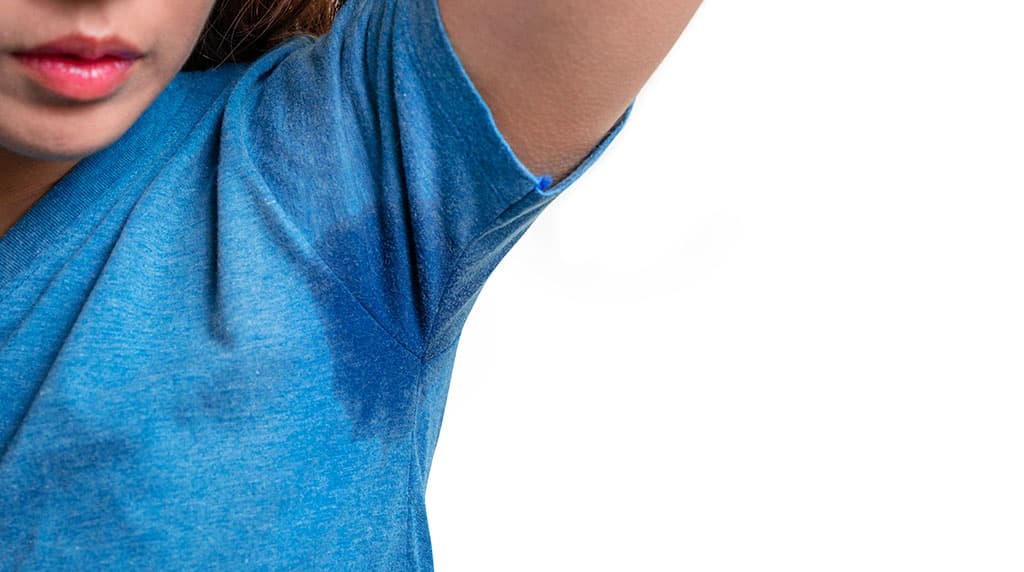
ThermiDry treats hyperhidrosis, the excessive underarm sweating that soaks through shirts no matter what deodorant you use. A sweat iodine test first maps exactly where your overactive glands sit. Then, under local anesthetic, a tiny puncture is made and a small probe is passed in a fan pattern just beneath the skin, delivering radiofrequency energy that heats and disables the sweat glands.
You are awake and comfortable throughout; once the area is numb there is no pain. A thermal camera monitors skin temperature the entire time to keep the treatment in a safe zone. The whole visit takes about an hour, the entry point closes within about a day, and there is no scarring.
One treatment is all it takes. Sweating is markedly reduced within about two weeks, along with odor, and many patients find they rely far less on deodorant. Results typically last two to five years. If sweating started suddenly or comes with other symptoms, we recommend a medical checkup first, since hyperhidrosis can be genetic or caused by an underlying medical condition.
Who is ThermiDry for?
ThermiDry is for people who plan their wardrobe around sweat, not style.
Excessive sweating can be genetic or caused by an underlying medical condition. If your sweating began suddenly or comes with other symptoms, a medical checkup comes first. At consultation we also compare ThermiDry with Botox for sweating so you can choose the right fit.
Underarm sweat runs your day
You carry a change of clothes, wear extra layers, or avoid raising your arms because of sweat marks.
Deodorants have failed you
Even prescription-strength antiperspirants no longer keep you dry.
You want one visit, not a routine
ThermiDry is a single treatment, unlike injections that need repeating every several months to a year.
You prefer a chemical-free approach
The treatment works with radiofrequency heat, not injected or applied chemicals.
You want a personalized recommendation
A consultation and history review confirm ThermiDry is right for you, or that Botox for sweating is the better fit.
Where ThermiDryworks
ThermiDry is an underarm treatment: that is where the probe technique, the iodine mapping, and the practice's experience are focused.
Select an area on the figure to see what happens there.
Whatto expect.
Book a consultationThermiDry is priced for your case at consultation, where we also compare it against Botox for sweating. CareCredit financing is available.
A single in-office visit under local anesthetic. You are awake and comfortable, and you go straight back to your schedule.
There is no recovery period and no scarring, and the entry point closes within about 24 hours.
One treatment. Sweating is markedly reduced within about two weeks, and results typically last two to five years.
Frequently asked questions
Does a ThermiDry treatment hurt?
No. The area is numbed with local anesthetic first, so there is no pain during treatment.
How many treatments will I need?
One. Results appear within about two weeks and typically last two to five years, rather than the repeat injections that underarm Botox needs every six to twelve months.
How long do results last?
Typically two to five years. ThermiDry markedly reduces sweating rather than stopping perspiration entirely.
How does it work?
A sweat iodine test locates your overactive glands, then a small probe delivers radiofrequency heat just under the skin to disable them, with a thermal camera keeping skin temperature in a safe range.
Is there any downtime?
No. The visit takes about an hour and you return to your normal schedule the same day, with no extended recovery time.
Will it leave a scar?
No. The treatment is done through a tiny entry point that closes within about 24 hours.
Does it help with odor?
Yes. Because sweat glands are the source, most patients notice reduced odor as well, and many rely far less on deodorant.
What if my sweating has a medical cause?
Excessive sweating can be genetic or caused by an underlying medical condition. Sudden-onset or symptomatic sweating warrants a medical checkup first, so we assess that before recommending ThermiDry.
How does ThermiDry compare to Botox for sweating?
Botox for sweating is quick and effective but lasts up to about a year and must be repeated. ThermiDry is a single treatment with results that typically last two to five years. We help you choose at consultation.
How do I get started?
Book a consultation. We assess your sweating, rule out anything that needs medical attention, and decide together whether ThermiDry or Botox for sweating is the better fit.
Where to next
Related treatment
AviClear Acne Treatment
Laser acne treatment, no drugs.
Explore the treatmentRelated concern
Excessive Sweating
Sweat that antiperspirant cannot control
Start from the concernWorth reading
ThermiDry for Hyperhidrosis: How It Works
Perspiration is a perfectly natural way your body regulates its internal temperature. Even the coolest customers sweat once in a while. But if you...
Read the answerAsk about your skin.
Tell us what you would like to change and we will come back with the treatments that fit, honest expectations, and a time to talk it through.
Your details go straight to our Montgomery Road front desk and are never shared. A team member replies during office hours, usually the same day.

Ready when you are.
Book a consultation at our Montgomery Road office, or call and we will help you decide where to start.
Medically reviewed by Shalini Gupta, MD, Harvard-trained dermatologist and founder of The Dermatology, Laser & Vein Center. Last reviewed September 2026. This page is for education and is not a substitute for a personalized medical consultation.