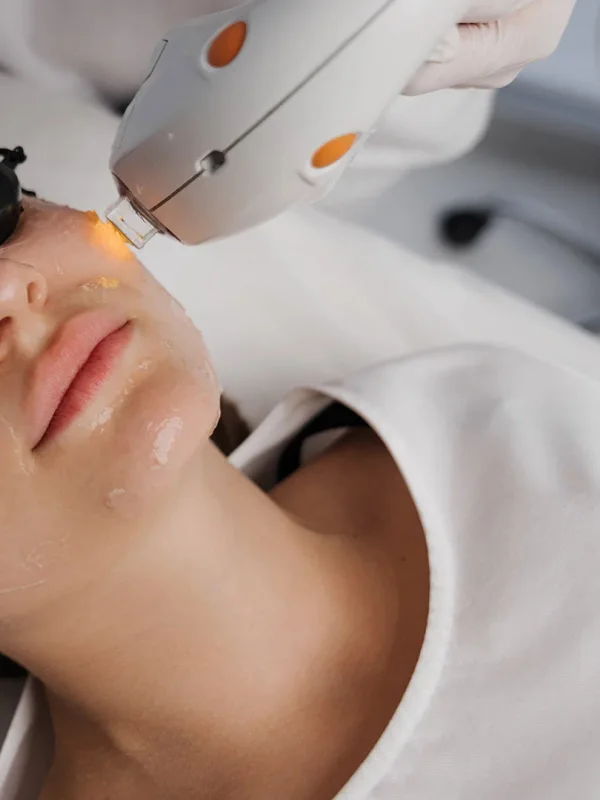
BBL (BroadBand Light)
The workhorse for scattered brown spots across the face, chest, and hands.

Years of sun show up as scattered brown spots and a general loss of clarity. Light-based treatments target the pigment directly and usually clear it in a few sessions.
Every hour of sun your skin has ever had is recorded somewhere. Ultraviolet light provokes the pigment cells in the epidermis into producing melanin, which is the tan, and after enough years some of those cells start producing it without being asked. The result is a fixed brown spot sitting where the skin used to be even. They cluster on whatever took the most exposure: the face, the neck and chest, the shoulders, and the arms and hands.
Pigment is rarely the only thing that accumulates. The same exposure breaks down collagen and elastin, coarsens the surface, and leaves fine broken vessels behind, which together account for the harder-to-name loss of clarity people describe as dull or tired skin. Whether you have pigment alone or pigment plus texture is the distinction that decides the treatment, because clearing spots off a rough surface leaves you with a rough surface.
One caution before any of it. Not everything brown is sun damage. A spot that is new, that has changed, or that simply does not look like its neighbors gets examined by a physician before it is treated. The reason is simple: a dermatologist should evaluate a new or changing lesion to rule out skin cancer or another condition before any treatment is aimed at it.
Light-based treatment is the mainstay here, and it works because pigment absorbs light far more readily than the skin around it. BBL (BroadBand Light) delivers a broad spectrum of light rather than the single wavelength a traditional laser uses, and the melanin in a sun spot soaks it up and heats. The spot darkens in the days after treatment, then flakes away over the following week as the skin sheds it. It covers large areas efficiently, which is why it is the usual choice for scattered spots across the face, chest, and hands, and it takes down background redness at the same time.
Pico Laser works by a different physical mechanism. Its pulses are so short that pigment is shattered mechanically rather than cooked, which puts far less heat into the surrounding skin. That matters for stubborn sun spots and dense, obstinate pigment, and for skin that does not tolerate heat well.
When texture has set in alongside the pigment, fractional resurfacing does both jobs at once. Fraxel divides its energy into thousands of microscopic treatment zones, leaving the skin between them intact, so it removes pigmented surface tissue and stimulates new collagen in the same session. The cost is redness and swelling like a sunburn that settles within a few days, with mild flaking and peeling as new skin comes through, and most patients are back to normal activities within three to five days. Clear + Brilliant is the mild relative of that idea: much lower energy, little to no downtime, and a gradual gain in clarity and smoothness that suits early damage and skin you want to maintain rather than overhaul.
Chemical Peels approach the surface chemically instead. An acid solution loosens the outermost layers so they shed, taking superficial pigment with them and evening out overall tone. The depth is adjustable, which makes peels useful both as a standalone brightening treatment and as maintenance between stronger sessions.
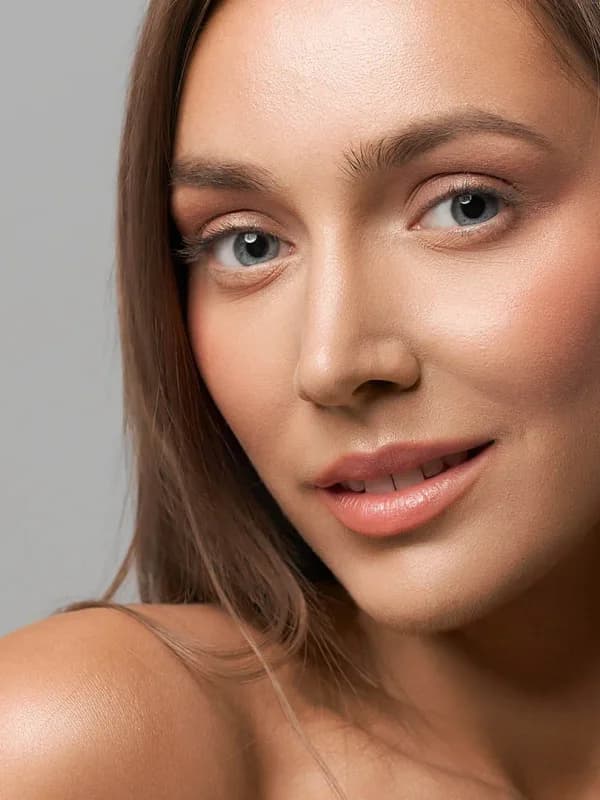
For most people with scattered brown spots and otherwise decent texture, BBL (BroadBand Light) is the first move and often the only one needed, usually across a small number of sessions rather than one. It is efficient, it treats the whole area rather than spot by spot, and the flaking phase is socially manageable if you plan around it.
If you run a hand over your face and the problem is as much roughness and fine lines as it is spots, treating the pigment alone will disappoint you. Fraxel is the better use of one course of treatment there, because you correct both at once instead of clearing the spots and still not liking the skin. For a few dark, stubborn spots, Pico Laser is the more targeted option, because it shatters dense pigment without putting the same heat into the skin around it.
Clear + Brilliant is frequently chosen for the wrong reason. It is excellent for early damage, for keeping already-treated skin looking clear, and for people who need very little downtime, and it is aimed at early pigment changes and overall clarity rather than at one dark, established age spot. If that spot is the thing that bothers you, choose a treatment aimed at it. Chemical Peels work across the whole treated area rather than on one spot at a time, and the depth of peel your provider chooses is what determines how much deeper pigmentation it reaches.
What undoes all of this is sun. Pigment cells that were provoked once are easily provoked again, and treated skin that is not then protected repigments, which is why consistent sunscreen use is what keeps a result looking like it lasted. It is also worth naming the lookalike: symmetric, blotchy patches across the cheeks and upper lip are usually melasma, which is hormonally driven, notoriously difficult to treat, and often worsens with sun exposure. That is a different problem calling for a deliberately more conservative and ongoing plan, and a consultation separates the two before anything is switched on.

Listed in the order we most often recommend them, with a line on when each is the right pick.
Your consultation decides which actually fits your anatomy, your goals, and the downtime you can spare.
The workhorse for scattered brown spots across the face, chest, and hands.
Gentle, little-to-no-downtime clarity for early damage.
Treats pigment and texture together when both have set in.
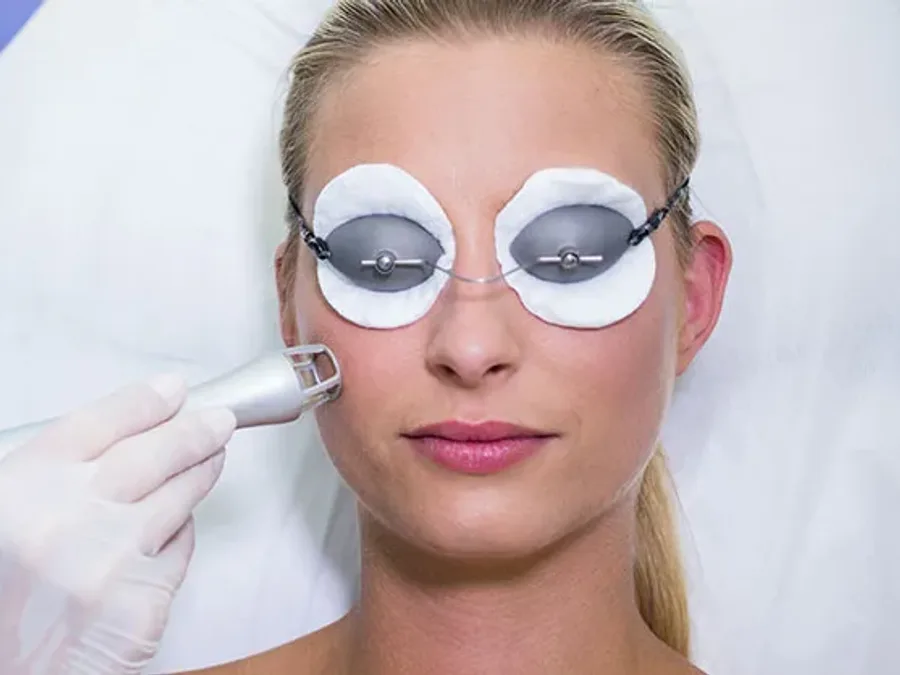
Shatters stubborn pigment with very short pulses and less heat.

Lifts surface pigment and brightens overall tone.
Worth reading
Looking for the best chemical peels in Cincinnati? Discover how our customized treatments deliver smoother, clearer, glowing skin.
Read the answerWorth reading
Clear + Brilliant is a gentle laser treatment that targets fine lines and early wrinkles. Learn how this preventive anti-aging solution works.
Read the answerRelated concern
Motion lines and creases that stay put
Start from the concernTell us what you would like to change and we will come back with the treatments that fit, honest expectations, and a time to talk it through.
Your details go straight to our Montgomery Road front desk and are never shared. A team member replies during office hours, usually the same day.

Book a consultation at our Montgomery Road office, or call and we will help you decide where to start.
Medically reviewed by Shalini Gupta, MD, Harvard-trained dermatologist and founder of The Dermatology, Laser & Vein Center. Last reviewed September 2026. This page is for education and is not a substitute for a personalized medical consultation.