
Plasma Protein for Incontinence
A regenerative treatment for urinary incontinence that uses growth factors concentrated from your own blood to strengthen the tissues supporting bladder control. Non-surgical, hormone-free, and done in our office in under 30 minutes. It is an off-label use, offered after a discreet consultation with one of our providers.
How it restoresbladder control
Leaks when you cough, sneeze, laugh, or exercise usually trace back to weakened tissue: the vaginal wall, the area around the urethra, and the pelvic floor lose thickness, strength, and elasticity with childbirth, menopause, and age. This treatment works on that tissue directly. A small amount of your blood is drawn and spun in a centrifuge to concentrate a plasma solution rich in growth factors, which is then injected where your incontinence type calls for it, typically the anterior vaginal wall, around the urethra, or into the pelvic floor muscles.
Those growth factors stimulate cellular regeneration, collagen synthesis, nerve healing, and blood flow. Over the following weeks the treated tissue becomes thicker, stronger, and more elastic, and many patients notice better urinary control, some within one to two weeks and full results by about three months. Because the material comes from your own blood, there are no hormones and no pharmaceuticals, and the risk of allergic reaction or rejection is very low. Results vary from patient to patient.
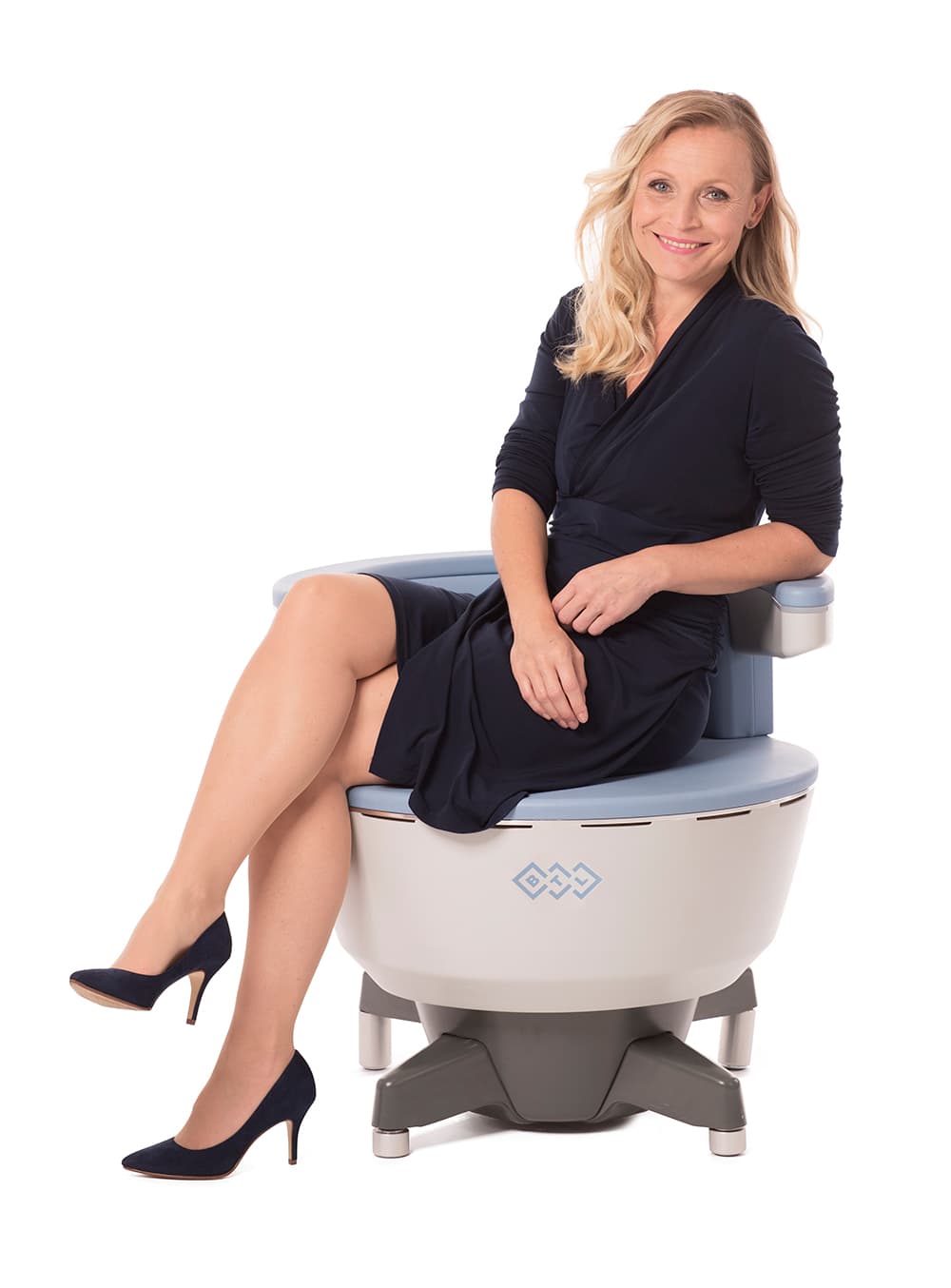
We are equally direct about the fine print: plasma therapies are used off-label here and are not specifically FDA-approved for incontinence, though the approach is supported by clinical studies. Candidacy is decided at a private consultation with our clinical team, handled with discretion, respect, and empathy. For many patients this therapy works best inside a broader pelvic wellness plan alongside EMSELLA, which strengthens the pelvic floor fully clothed and treats men as well, CO2 laser vaginal rejuvenation, or pelvic floor physical therapy.
Who is this treatment for?
For anyone tired of planning life around leaks who wants a non-surgical, drug-free route to better bladder control.
Incontinence has different causes, and the injection site is chosen to match your type. We evaluate your case at a discreet consultation and tell you honestly whether plasma protein therapy, EMSELLA, laser treatment, pelvic floor therapy, or a combination will serve you best.
Stress incontinence
Leaking when you cough, sneeze, laugh, or exercise, one of the patterns this therapy is used for.
Urge incontinence
A sudden, intense urge to urinate that is hard to hold.
Mixed incontinence
A combination of stress and urge symptoms occurring together.
Postpartum or postmenopausal changes
Bladder weakness tied to childbirth or to the tissue thinning and estrogen loss of menopause. The therapy is particularly effective for postmenopausal women.
Age-related pelvic floor relaxation
Gradual weakening of the tissues that support the bladder and urethra.
You want to avoid surgery and drugs
A regenerative, hormone-free option if you are tired of pads and daily medication and want to avoid surgery.
How plasma protein therapy works for incontinence
Plasma protein therapy extracts a concentrated solution of plasma proteins, rich in healing growth factors, from your own blood, then injects it into the tissues that control the bladder. For incontinence that means strengthening the pelvic floor, rejuvenating urethral and vaginal tissue, and improving neuromuscular control.
The growth factors stimulate cellular regeneration, improve collagen synthesis and increase blood flow. Over time the tissue becomes thicker, stronger and more elastic, and urinary control improves with it.
Blood draw. A small sample of your blood is collected, similar to a routine lab draw.
Centrifugation. The blood is placed into a centrifuge, which isolates the plasma proteins and healing components.
Injection. The concentrated plasma is injected into specific tissues, typically the anterior vaginal wall, the urethral area or the pelvic floor muscles, depending on the type of incontinence.
Aftercare. There is minimal downtime. You can return to normal activities the same day, though you may be advised to avoid intercourse or strenuous exercise for 24 to 48 hours.

Where it fits in a wider plan
Most patients need a series of one to three treatments spaced four to six weeks apart, with maintenance once or twice a year depending on age, hormone status and how severe the symptoms are. Plasma protein therapy is usually one part of a pelvic wellness plan rather than the whole of it.
EMSELLA. A non-invasive electromagnetic chair that strengthens the pelvic floor, which complements the tissue regeneration.
CO2 laser vaginal rejuvenation. Improves tissue tone and elasticity.
Hormone replacement therapy. For postmenopausal patients with estrogen deficiency.
Kegel training and pelvic physical therapy. For comprehensive core rehabilitation.
Some patients notice improvement within one to two weeks, but full results may take up to three months as collagen builds and the tissue strengthens.
Results can last 9 to 18 months, with maintenance treatments sustaining the improvement over time.
Mild swelling, tenderness or spotting may occur for 24 to 48 hours. Serious side effects are uncommon, because the treatment uses your own blood, which keeps the risk of allergic reaction or rejection low. Your provider reviews your history and the risks with you at consultation.
Plasma therapies are autologous treatments, and are widely used off-label for regenerative purposes. They are not specifically FDA-approved for incontinence, though they are supported by clinical studies.
Whatto expect.
Book a consultationPricing depends on your treatment plan and is discussed privately. Incontinence treatment of this kind is usually not covered by insurance; financing options are offered.
An in-office visit covering the blood draw, plasma preparation, numbing, and injection. A typical plan is one to three treatments spaced four to six weeks apart.
Resume most activities immediately. Avoid intercourse and strenuous exercise for 24 to 48 hours. Mild swelling, tenderness, or spotting can occur and settles within a day or two.
Some improvement within one to two weeks, full results by about three months. Results typically last 9 to 18 months and are maintained with a treatment once or twice a year.
Frequently asked questions
Is plasma protein therapy FDA-approved for incontinence?
No. The therapy uses your own blood and is applied off-label: it is not specifically FDA-approved for incontinence, though the approach is supported by clinical studies. We walk you through the evidence and your candidacy at a private consultation.
Is plasma protein therapy safe?
The injected solution is concentrated from your own blood, which keeps the risk of allergic reaction or rejection low, and serious side effects are uncommon. No treatment is without risk, so your provider reviews your medical history and the potential side effects with you before you decide. This use is off-label.
Does the injection hurt?
The area is prepared with a topical anesthetic or numbing injection first. Most patients describe mild pressure or a brief pinch.
How soon will I see results?
Some patients notice improvement within one to two weeks. Full results develop as the tissue rebuilds, up to about three months after treatment.
How long do results last?
Typically 9 to 18 months, and they can be maintained with periodic treatments, usually once or twice a year.
Is there any downtime?
Nothing significant. You can resume most activities immediately; just avoid intercourse and strenuous exercise for 24 to 48 hours. Mild swelling, tenderness, or spotting may last a day or two.
Is it suitable for postmenopausal women?
Yes. It is particularly effective for postmenopausal women, where age-related tissue thinning and estrogen loss contribute to bladder weakness, because the growth factors work directly on rebuilding that tissue.
Can it be combined with other incontinence treatments?
Yes, and it often should be. It pairs well with EMSELLA pelvic floor strengthening, laser therapy, and pelvic floor physical therapy as part of a comprehensive plan we design with you.
Is it covered by insurance?
Usually not, as it is considered an elective regenerative treatment. We offer financing options, discussed at your consultation.
Ask about body contouring.
Tell us the area you have in mind and what you have tried. We will come back with which treatments make sense, what they cost, and when you could start.
Your details go straight to our Montgomery Road front desk and are never shared. A team member replies during office hours, usually the same day.

Ready when you are.
Book a consultation at our Montgomery Road office, or call and we will help you decide where to start.
Medically reviewed by Shalini Gupta, MD, Harvard-trained dermatologist and founder of The Dermatology, Laser & Vein Center. Last reviewed September 2026. This page is for education and is not a substitute for a personalized medical consultation.