
AviClear Acne Treatment
Targets the oil glands themselves for a long-term change, not a daily routine.

Most acne treatments manage symptoms. The ones here go after the cause, which is usually oil production, bacteria, or clogged pores, and they work for people who have already tried the drugstore route.
Acne starts inside the pore, and four things go wrong there at once. The oil gland runs faster than it should, usually because hormones are telling it to. Dead cells that were supposed to shed stick together instead and plug the opening. Bacteria already present in the skin multiply in that trapped oil. Then the immune system arrives, and what was a blocked pore becomes a red, tender lesion.
Which of those four is driving your acne decides what actually helps. Skin that is mostly congested, with blackheads and small bumps across the forehead and chin, has a clogging problem. Skin that produces deep, painful lesions along the jaw and cheeks has an oil and inflammation problem, and those lesions form well below the surface, where topical products alone struggle to reach them. Most over-the-counter products work on the surface, which is why they help the first kind and barely touch the second.
There is also a clock running. Inflammatory acne left to run for months leaves scars that can last a lifetime without treatment, so the point of treating it properly is not only clearer skin now but less to repair later.
The most direct approach is to treat the oil gland itself. AviClear Acne Treatment uses a laser wavelength aimed at the sebaceous gland itself, heating it precisely so the gland produces less oil. It is done as a series of three sessions spaced a few weeks apart, it involves no medication and no bloodwork, and the change keeps developing for months after the last visit. It is the only laser designed specifically to target the sebaceous glands and reduce oil production, where most lasers treat surface bacteria or inflammation instead.
Two treatments work on the inflammation and the bacteria instead. Laser Acne Treatments reduce the severity of inflammatory acne lesions along with the acne scarring and hyperpigmentation left behind. Most people need a series of sessions spaced about a month apart. Photodynamic Therapy works differently again: a photosensitizing solution is applied and absorbed by the oil glands and the bacteria inside them, then activated with light, which damages both. It suits persistent acne, and because it can treat a large area in a single session it fits widespread breakouts well. It carries a real cost, several days of redness and peeling and strict sun avoidance for roughly 48 hours afterward.
The third group keeps the pore from re-clogging in the first place. Chemical Peels use salicylic or glycolic acid to dissolve the plug of dead cells and oil sitting at the pore opening, which clears existing congestion and slows the next round of it. HydraFacial MD does the mechanical version of the same job, pairing a gentle glycolic and salicylic acid step with vacuum extraction instead of manual squeezing, gently enough to run alongside a medical treatment plan without irritating skin that is already being worked on.
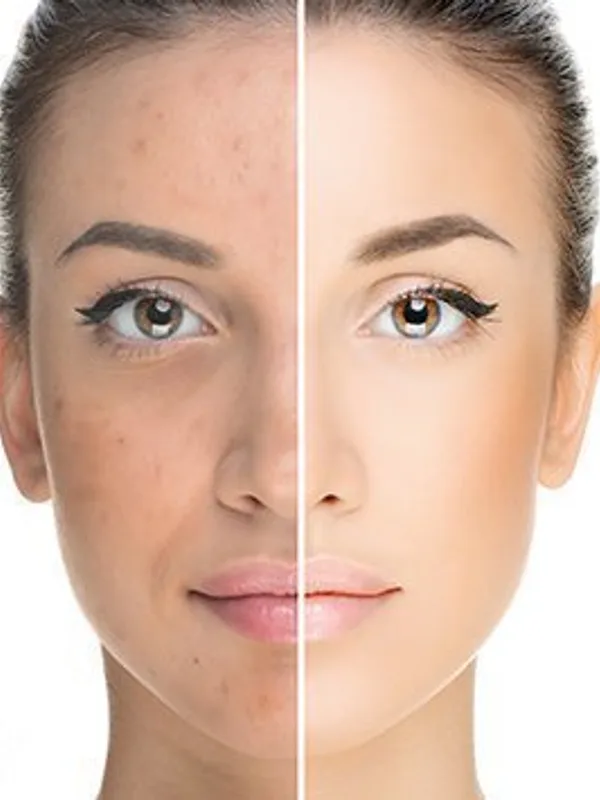
If you have mild congestion and an occasional breakout, start with Chemical Peels on a regular schedule, since light peels can be repeated every few weeks for maintenance and prevention. It commits you to nothing.
If you have persistent inflammatory acne and you have already worked through benzoyl peroxide, retinoids, and a course or two of antibiotics, the honest recommendation is to stop treating the surface. AviClear Acne Treatment is usually where that conversation goes, because reducing oil production changes the environment the acne depends on. Expect it to be slow. Improvement usually begins after the second session, and the clearest results appear in the two to six months following the third treatment, so people who give up early tend to give up right before the part that works.
HydraFacial MD is a genuinely good treatment, and it works best as one supportive part of a wider acne plan rather than on its own: it will make congested skin look better for a week or two, but cystic lesions form deep in the dermis, which surface treatment alone will not reach. If your breakouts are leaving marks and dents behind, those need treatments that reach the deeper layers of the skin, and saying so early saves months.
Severe, scarring, or rapidly worsening acne deserves a physician visit before any device is chosen, because those cases may call for oral medication alongside techniques that a medical professional has to carry out. Photodynamic Therapy is worth discussing for persistent acne that has not settled with topical care. A consultation sorts out which category you are in, whether hormones are the driver, and whether we should be treating the acne or the scars it has already left, which are two different problems best handled in that order.
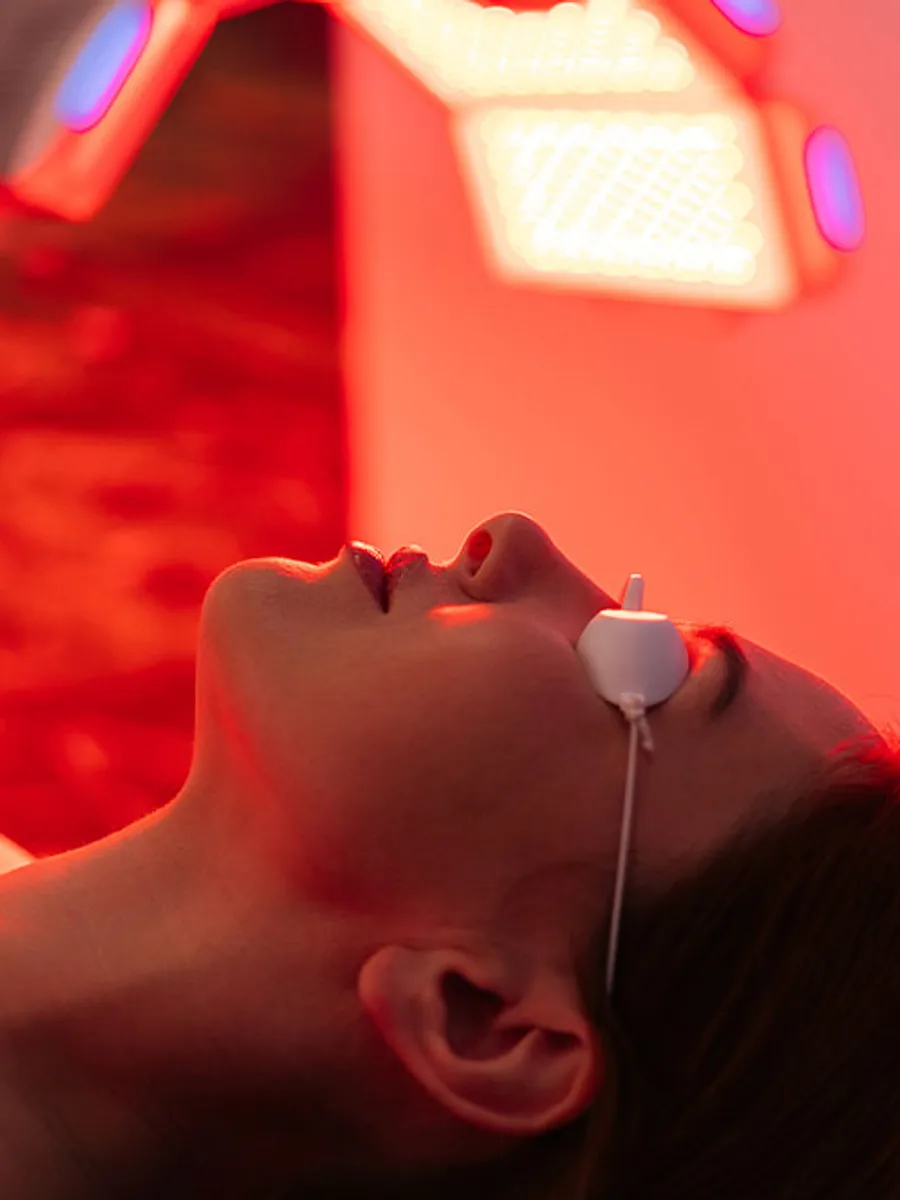
Listed in the order we most often recommend them, with a line on when each is the right pick.
Your consultation decides which actually fits your anatomy, your goals, and the downtime you can spare.
Targets the oil glands themselves for a long-term change, not a daily routine.
Reduces the severity of inflammatory acne lesions over a series of sessions.
For persistent acne, and for breakouts spread across a large area.

Clears congestion and keeps pores from re-clogging between treatments.
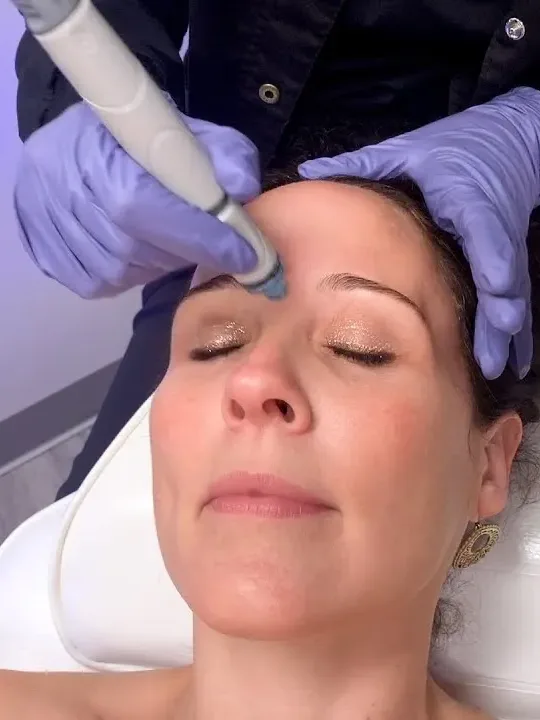
Gentle extraction and maintenance alongside a medical treatment plan.
Worth reading
AviClear is the first FDA-cleared laser treatment designed to treat acne by targeting the sebaceous glands, which are responsible for producing oil in the skin.
Read the answerWorth reading
AviClear is the safe, effective laser treatment for acne-prone skin of all tones and textures. Available now in Cincinnati.
Read the answerRelated concern
Motion lines and creases that stay put
Start from the concernTell us what you would like to change and we will come back with the treatments that fit, honest expectations, and a time to talk it through.
Your details go straight to our Montgomery Road front desk and are never shared. A team member replies during office hours, usually the same day.

Book a consultation at our Montgomery Road office, or call and we will help you decide where to start.
Medically reviewed by Shalini Gupta, MD, Harvard-trained dermatologist and founder of The Dermatology, Laser & Vein Center. Last reviewed September 2026. This page is for education and is not a substitute for a personalized medical consultation.