
Photodynamic Therapy
Photodynamic therapy, or PDT, is a physician supervised treatment that combines a photosensitizing solution with a specialized light source. The solution is absorbed preferentially by damaged, abnormal, or precancerous cells; the light activates it, destroying those cells while leaving healthy tissue largely unaffected. It treats actinic keratosis, stubborn acne, and sun damage in the same visit.
What isphotodynamic therapy?
PDT happens in three steps. First, a photosensitizing solution is applied to the skin and left to incubate, anywhere from 30 minutes to several hours, during which damaged and abnormal cells absorb it more readily than healthy skin does. Our protocol often uses a photosensitizing solution activated by blue light.
Second, a medical grade light source activates the solution for 10 to 20 minutes. The reaction produces oxygen molecules that destroy the targeted cells; most patients feel mild warming or tingling during this part. Third, over the following days your body clears the destroyed cells and replaces them with healthier skin.
That selectivity is what makes PDT useful on both sides of dermatology. Medically, it clears actinic keratosis, precancerous lesions, before they can progress. Cosmetically, the same renewal improves sun damage, texture, enlarged pores, oiliness, and uneven pigmentation, and it targets the oil glands and bacteria that drive acne.
Who is PDT for?
PDT is for people whose skin carries sun damage, actinic keratosis, or persistent acne that has not responded to other treatments.
Because PDT treats medical conditions as well as cosmetic ones, it always starts with a physician evaluation. A physician on our team examines your skin and helps you decide whether PDT or another treatment is the best option for you.
You have actinic keratosis
PDT is highly effective at destroying these precancerous cells before they can progress, reducing the risk of squamous cell carcinoma.
Acne keeps coming back
PDT targets overactive oil glands and acne causing bacteria, shrinking pores and calming inflammation.
Years of sun show on your skin
Rough patches, pigmentation changes, and uneven texture from sun exposure respond to the renewal cycle PDT triggers.
Redness or rosacea bothers you
PDT can improve redness by targeting the abnormal blood vessels behind it.
You can avoid light briefly
Treated skin stays photosensitive, so you must be able to avoid sunlight and bright indoor light for 24 to 48 hours afterward.
Where PDTworks
PDT is used on skin that carries a broad field of sun damage rather than a single spot, and it can address a large area in one session.
Select an area on the figure to see what PDT does there.

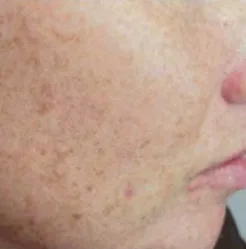
Photodynamic therapy, sun damage
Before andafter PDT.
This pair is from the results gallery on the practice's previous website. Drag the handle to compare.
See all Photodynamic Therapy resultsIndividual results vary. This photograph is from the treatment gallery on the practice's previous website and is not a guarantee of your own outcome.
Talk it through before you decide
PDT is a medical decision as much as a cosmetic one, so Dr. Gupta recorded a virtual consultation walking through who it helps and what to expect.
For your own skin, an in person consultation settles the protocol, the incubation time, and the number of sessions.
Whatto expect.
Book a consultationPricing depends on the condition treated and the number of sessions your plan calls for, so we quote it personally at your consultation.
The full visit runs one to two hours: incubation of the photosensitizing solution, then 10 to 20 minutes under the light.
Expect redness, mild swelling, and peeling, with skin that may feel similar to a mild sunburn, healing within three to seven days. Strict avoidance of sunlight and bright indoor light for the first 24 to 48 hours is essential.
Smoother texture, reduced redness, and a clearer complexion emerge within one to two weeks. Actinic keratosis typically needs one to two sessions; acne often takes a series of three to four.
Frequently asked questions
What does photodynamic therapy treat?
Actinic keratosis, acne, sun damage, rosacea related redness, uneven texture, and enlarged pores. It addresses medical and cosmetic concerns in the same treatment.
Is PDT painful?
Most patients feel mild tingling or warmth during the light activation, and it resolves quickly once the light portion ends.
How long does treatment take?
The full appointment runs one to two hours, most of it incubation time for the photosensitizing solution. The light exposure itself is 10 to 20 minutes.
How long is recovery?
Redness and mild peeling last several days, and the skin typically heals within three to seven days.
Do I really need to avoid light afterward?
Yes. Treated skin remains photosensitive, so avoid sunlight and bright indoor light for 24 to 48 hours after your session.
How soon will I see results?
Texture and clarity typically improve within one to two weeks as the skin completes its renewal cycle.
How many treatments will I need?
It depends on the condition. Actinic keratosis often clears in one to two sessions; acne usually takes three to four, and some patients return periodically for prevention.
Can PDT help prevent skin cancer?
By destroying the abnormal cells of actinic keratosis before they can progress, PDT reduces the risk of those lesions developing into squamous cell carcinoma.
Is PDT safe for all skin types?
It is safe for many skin types, but not every skin or every condition is a fit. A consultation with one of our physicians confirms whether PDT is appropriate for you.
Can PDT improve how my skin looks?
Yes. Beyond its medical role, the renewal it triggers improves overall tone, texture, and clarity.
Ask about your skin.
Tell us what you would like to change and we will come back with the treatments that fit, honest expectations, and a time to talk it through.
Your details go straight to our Montgomery Road front desk and are never shared. A team member replies during office hours, usually the same day.

Ready when you are.
Book a consultation at our Montgomery Road office, or call and we will help you decide where to start.
Medically reviewed by Shalini Gupta, MD, Harvard-trained dermatologist and founder of The Dermatology, Laser & Vein Center. Last reviewed September 2026. This page is for education and is not a substitute for a personalized medical consultation.