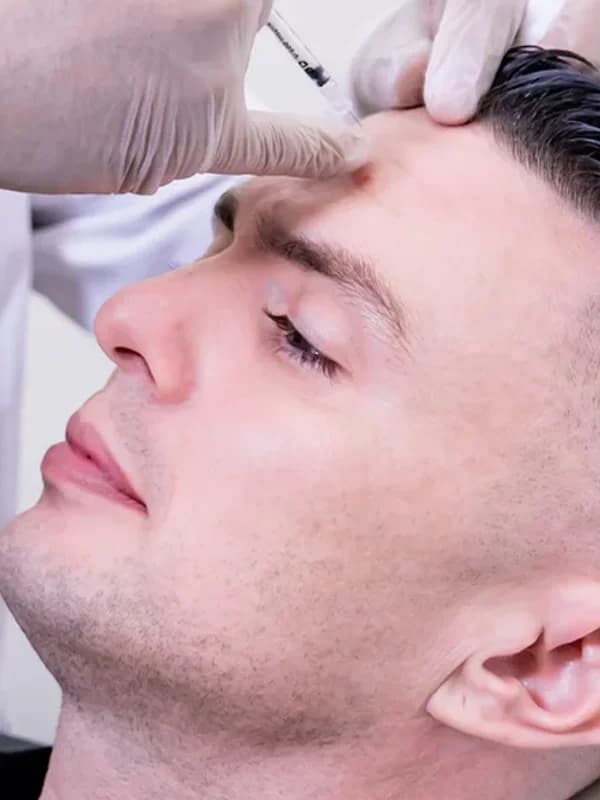
Botox for Migraines
FDA-approved for chronic migraine, dosed on a medical protocol.

The same neurotoxin used cosmetically has genuine medical indications here. It quiets the muscles and nerve signaling that drive chronic headaches and jaw clenching.
Two different problems sit under this heading, and they are treated as differently as they are diagnosed. Chronic migraine is a neurological condition with a specific definition: headache on 15 or more days a month, at least 8 of which have migraine features. That line matters, because it decides whether one of these treatments is indicated at all.
Jaw tension is muscular. The masseter and temporalis close the jaw, and in people who clench or grind, usually at night, those muscles work for hours without rest. The result is a sore jaw in the morning, headaches at the temples, pressure through the joint, and over time a squarer lower face as the muscle thickens the way any overworked muscle does. Pain that comes from structural damage or misalignment in the joint itself is a different problem, and in extreme cases surgical correction is what addresses it.
The two overlap often enough to belong on the same page. Chronic clenching is a reliable headache generator. Working out which mechanism dominates comes before any injection, and a comprehensive assessment at our office is where that happens.
Botox for Migraines is not a cosmetic treatment pointed at a headache. It is FDA approved for chronic migraine specifically, and it follows the medical injection protocol rather than a cosmetic one, placed across up to 31 possible injection sites in the head and neck, with the actual number depending on your diagnosis, and repeated every 12 weeks. Your provider determines the sites after examining your anatomy and pinpointing where your pain concentrates. Response is judged over two cycles rather than one, because the effect accumulates.
The mechanism is not simply muscle relaxation. At those sites the toxin reduces the release of pain signaling neuropeptides from sensory nerve endings. That is why the map is set by your anatomy and by where your pain actually sits, including the back of the head and the neck, rather than by the lines on your face.
The distinction is worth stating plainly, because people book cosmetic appointments hoping their headaches will improve as a bonus. A forehead treatment for expression lines uses a different injection map, chosen for how the face moves rather than for where headache pain sits. Different intent, different map.
Botox for TMJ takes the muscular route instead. Placed into the masseter, and into the temporalis when that muscle is involved, it reduces the force the jaw can generate, so hours of night time clenching stop loading the joint and the teeth. Jaw ache and morning temple headaches usually ease within one to two weeks. The effect typically lasts three to six months, and repeat treatment often stretches further as the muscle stays smaller. That slimming of the lower face is a side effect some people specifically want and others should be told about in advance.

Count first. A comprehensive assessment establishes how often you get headaches and which of those days carry migraine symptoms. Fifteen or more headache days a month points toward Botox for Migraines. Below that, the picture is less clear cut. The criterion we use is eight or more headache days a month with migraine symptoms present on at least eight of those days, so we count both before deciding. Preventive medication and trigger work come first in that case.
Botox for TMJ suits the person who wakes with a tight, aching jaw, has tender masseters on examination, or has been told by a dentist that they grind. It works alongside a night guard rather than replacing it, since the guard protects the teeth and the injection reduces the force behind the clench. If the trouble is structural, from misalignment or damage inside the joint, that is a different problem, and in extreme cases surgical correction is what addresses it, so a full assessment of where the pain sits comes first.
Neither is a cure, and both are maintenance. The migraine protocol runs on a 12 week cycle for as long as it is helping, and the jaw treatment on a similar rhythm. Side effects are usually minor and temporary: bruising, tenderness at the sites, and a temporary reduction in chewing power for tough food if the masseter is dosed heavily. Anyone pregnant, breastfeeding, or living with certain neuromuscular conditions should not have either, and a detailed consultation will confirm whether the treatment is right for you.
Coverage is worth asking about early, since cosmetic use is not covered while medically necessary treatment may be, and we can assist with pre-authorization and documentation. A consultation goes through your headache pattern, what you have already tried, your dental history, and where the tenderness actually sits, and it ends with a straight answer about whether either protocol fits you.
Listed in the order we most often recommend them, with a line on when each is the right pick.
Your consultation decides which actually fits your anatomy, your goals, and the downtime you can spare.
Tell us what you would like to soften or restore. We will come back with which product fits, how long it lasts, and what to expect at your first visit.
Your details go straight to our Montgomery Road front desk and are never shared. A team member replies during office hours, usually the same day.

Book a consultation at our Montgomery Road office, or call and we will help you decide where to start.
Medically reviewed by Shalini Gupta, MD, Harvard-trained dermatologist and founder of The Dermatology, Laser & Vein Center. Last reviewed September 2026. This page is for education and is not a substitute for a personalized medical consultation.